
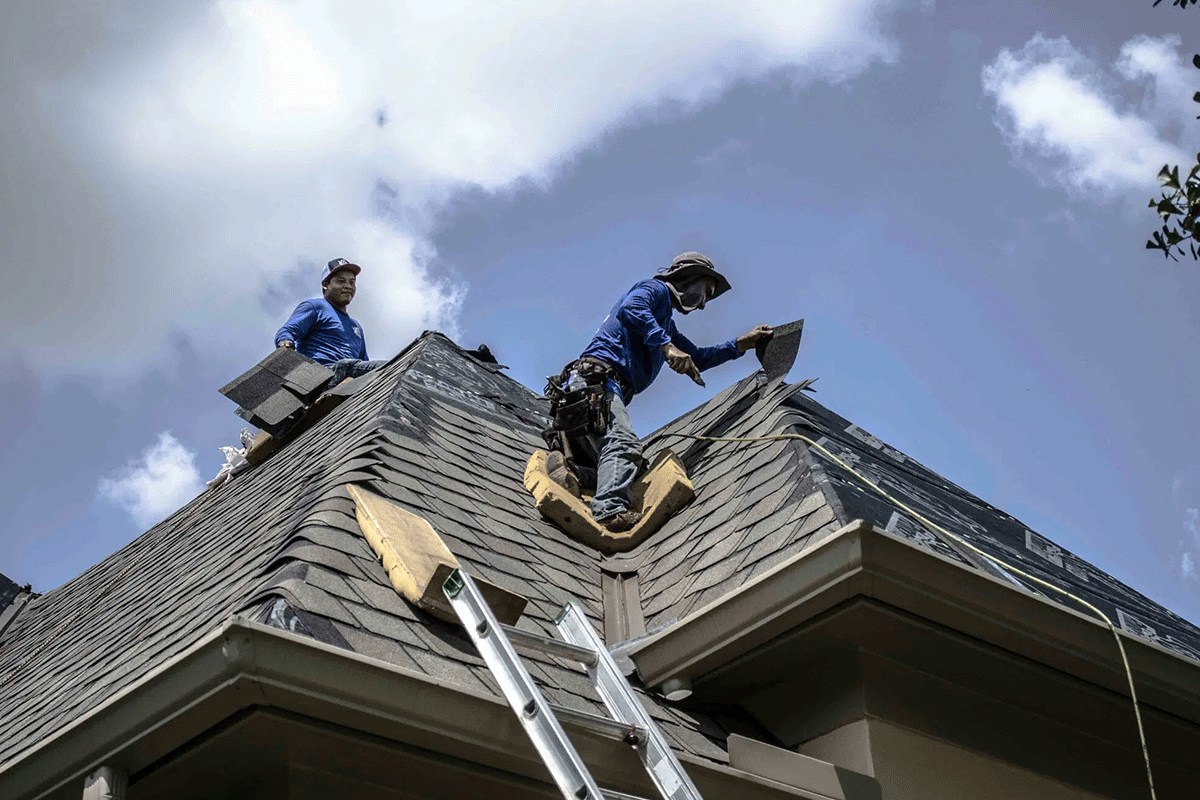
Roof resort is a crucial part of homeownership, but it s not a one-size-fits-all job. Different roof types require different approaches when it comes to repairs. Whether you have a traditional shingle roof, a tile roof, or a flat roof, sympathy how to decent address green issues for each type can save you time, money, and harass. In this article, we ll fall apart down the requisite roof resort tips for these three commons roof types.
1. Shingle Roof Repair
Shingle roofs are one of the most nonclassical roof types in human activity homes, particularly in North America. Asphalt zoster are inexpensive, serviceable, and relatively easy to resort. However, over time, herpes zoster can become damaged due to endure conditions, age, or unsuitable installation.
Common Issues with Shingle Roofs:
-
Missing or Curling Shingles: Wind, storms, or age can cause zoster to lift, curl, or even blow off entirely.
-
Granule Loss: As herpes zoster age, the tender granules can wear off, reduction their strength in protective your roof from UV rays.
-
Leaks: Leaks can form around disreputable or missing zoster, often exacerbated by poor flashing.
Repair Tips for Shingle Roofs:
-
Replace Damaged Shingles: If you spot missing or curling shingles, supercede them with new ones. Simply lift the close herpes zoster, remove the damaged one, and slither in a new shingle. Nail it firmly in aim.
-
Seal Small Cracks: Use roofing or an mineral pitch-based sealant to repair small cracks or gaps. Make sure to utilise the sealant liberally but not overly.
-
Clean Gutters Regularly: Prevent water buildup by retention gutters of dust. This helps avoid issues like ice dams, which can zoster during colder months.
2. Tile roof repair
Tile roofs are known for their lastingness and esthetic invoke, especially in heater climates like the Mediterranean, California, and Florida. Tiles can be made from clay, , or ticket, and while they last for decades, they can wear away or transfer under extreme point brave conditions.
Common Issues with Tile Roofs:
-
Cracked or Broken Tiles: Falling debris, foot dealings, or severe storms can crack or break apart tiles.
-
Slipped or Displaced Tiles: Tiles can shift or slip out of conjunction due to movement, wind, or morphologic subsidence.
-
Leaks: Leaks can educate if water gets under broken or displaced tiles, potentially destructive the underlying social system.
Repair Tips for Tile Roofs:
-
Replace Broken Tiles: When you find chapped or broken tiles, supercede them by lifting the close tiles and slippy the new tile into place. Clay and concrete tiles may be more fragile, so wield them with care.
-
Realign Slipped Tiles: Gently lift close tiles to realign a displaced tile. This is usually a univocal fix if the tiles are not destroyed.
-
Seal Gaps or Joints: Use specialised roofing adhesive or trench mortar to seal joints where tiles meet. This can help keep irrigate from leaky through the roof.
3. Flat Roof Repair
Flat roofs are normally base on commercial buildings, Bodoni homes, and structures in areas with token rainfall. These roofs may be made of materials like rubber(EPDM), modified bitumen, or TPO(thermoplastic polyolefin), and they want particular aid to control specific drainage.
Common Issues with Flat Roofs:
-
Ponding Water: Since flat roofs have a slight slope, water can collect in low areas if the roof is not decent inclined. Ponding irrigate can cause tissue layer debasement over time.
-
Leaks or Cracks in Membrane: Flat roofs are impressionable to cracks or punctures in the membrane, often due to to unpleasant brave, UV damage, or natural philosophy touch.
-
Blistering: This occurs when air or wet becomes at bay under the roof membrane, causing bubbles or blisters.
Repair Tips for Flat Roofs:
-
Clear Debris and Ensure Proper Drainage: Clean junk from the roof rise up and see to it that drains and downspouts are clear to allow water to flow off the roof.
-
Patch Small Holes: For moderate punctures or cracks in the membrane, use a roofing piece kit studied for your specific roofing material(such as EPDM patches for rubberise roofs). Clean and dry the area before applying the piece.
-
Use Sealant for Small Leaks: Apply roofing sealer to small leaks or seams, but be timid about using too much, as this can make hereafter issues. It’s best to use sealants premeditated for the specific material of your flat roof.
-
Consider Professional Help for Major Issues: Flat roofs are prostrate to larger-scale issues, and repairs often require specialised noesis. If you notice large blisters, substantial ponding, or general , it s best to call a professional person roofer.
Conclusion
Roof repairs may seem intimidating, but knowing how to address issues for your particular roof type can save you time and keep further damage. Shingle roofs can often be repaired with simple replacements or sealants, while tile roofs need careful handling to avoid break tiles. Flat roofs, on the other hand, demand attention to drain and the integrity of the roofing membrane.
In any case, if you re unsure about your roof s condition or the scope of repairs, it s always wise to consult with a professional person roofing who can tax the situation and cater long-lasting solutions.