
The field of photonics has seen impressive improvements, particularly in the growth of numerous modulators that play crucial duties in many optical applications. Amongst these, fiber acousto-optic modulators (AOMs) and their many variants, such as space AOMs and free-space AOMs, stand apart because of their convenience and performance. An acousto-optic modulator makes use of audio waves to control the intensity, frequency, or phase of light going through a tool, using an effective method for pulse modulation. With the growing demand for high-resolution and precision applications, these devices have ended up being indispensable in areas like telecommunications, clinical imaging, and clinical research study.
These lasers generate light with an exceedingly narrow spectral size, making them perfect for numerous intricate applications, consisting of meaningful interaction systems and high-resolution spectroscopy. This assimilation demonstrates the pattern towards increased compactness and efficacy in optical systems without compromising efficiency.
The utility of fiber optic delay lines can not be overstated, especially in developing innovative optical systems that call for exact timing and synchronization. These delay lines harness the fundamental homes of fiber optics to take care of light signals properly, permitting researchers and engineers to check out high-speed information transmission or elaborate timing try outs minimal loss of fidelity. The electric fiber optics delay line functions as a main part in this context, assisting in the manipulation of light signals to match certain requirements.
Explore acousto optic modulator q switch the current innovations in photonics, concentrating on the vital function of fiber acousto-optic modulators in boosting laser applications, telecoms, and accuracy optical systems for diverse markets.
Modulators are essential in laser systems, playing an important duty in transforming continuous wave outcomes right into pulse styles. Acousto-optic Q-switch modulators offer this specific purpose, allowing quick modulation of laser outcomes, which results in high-peak power pulses.
The difference in between acousto-optic buttons and modulators is an essential facet of comprehending exactly how these devices function in different circumstances. In comparison, a modulator readjusts the light’s residential properties, directly impacting the beam’s characteristics.
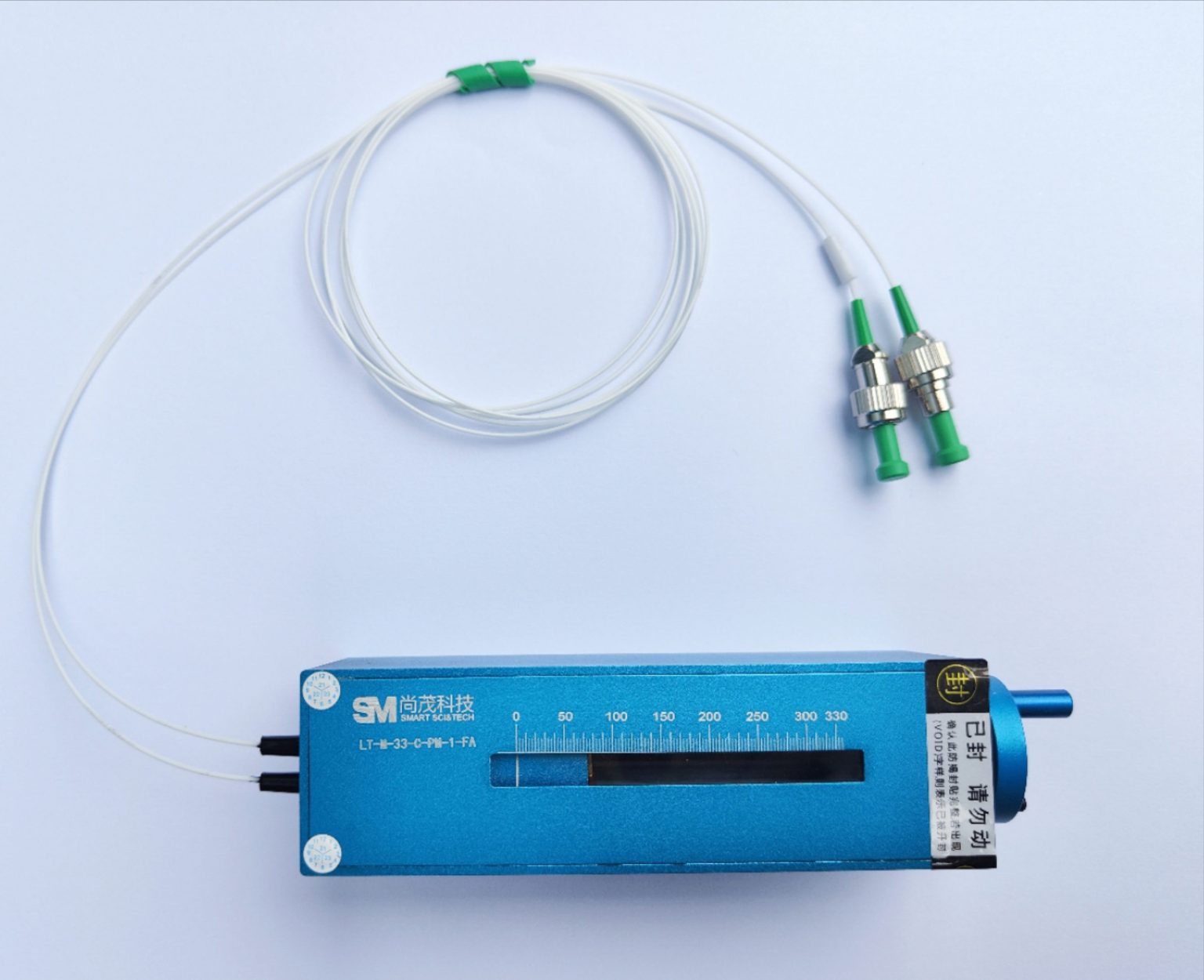
Acousto-optic devices have increasingly gained grip in the market, driven by the escalating need for innovative optical modern technologies. The acousto-optic modulator market is seeing considerable growth due to applications in telecoms, military systems, and industrial production. These devices are vital for frequency changing, beam guiding, and signal processing. As technology evolves, firms are developing ingenious remedies to address the demands for miniaturization, enhanced efficiency, and cost-effectiveness.
Narrow linewidth fiber lasers show stable exhaust with minimal spectral spread, providing to applications in fiber-optic interactions and picking up modern technologies. Combining these fibers with advanced modulators makes it possible for researchers to check out new frontiers in optical communication systems.
Acoustic optical deflectors add to the versatility of optical systems, supplying a way to manipulate light dynamically and efficiently by using acoustic waves as the controlling system. Such devices can be located in different applications, from laser scanning systems to advanced imaging methods. By using the principles of acousto-optics, these deflectors assist in achieving quick and exact modifications in the beam’s trajectory without the demand for complicated mechanical components.
In exploring the kinds of pulse modulation, one realizes the details and range integral in the area. Pulse modulation methods, such as pulse-width modulation (PWM) and pulse-position modulation (PPM), allow adjustment of light based upon discharge to produce varying signal types. These methods cultivate developments in photonics and electronics, from controlling laser results to improving the performance of fiber optic systems.
Additional consideration of optical passive components discloses their vital role in boosting system integrity. Their payment to overall system performance is critical, mainly when integrated with modulators and various other dynamic optical devices.
The expanding focus on space applications emphasizes the requirement for dependable and durable optical systems that can work efficiently in extreme conditions. Space acousto-optic modulators, specifically, suit the special demands of space missions, where elements such as radiation exposure and temperature variations can substantially affect functionality. The growth of space-grade acousto-optic devices makes sure that communication and data collection remain continuous in the extreme atmospheres of space.
Acousto-optic Q-switching represents one of one of the most efficient approaches of generating high-energy pulses, vital for applications ranging from laser noting to clinical procedures. The modulation capabilities intrinsic in AOMs allow them to adjust to varying requirements, enhancing pulse period and power result. They supply an innovative pathway to boost laser applications across diverse fields.
As we dive even more right into the future of photonics, it ends up being significantly clear that technology in laser modulators and acousto-optic technologies is essential. The improvements in modulator drivers enhance the performance with which EOMs and aoms run, making it possible for faster and much more dependable efficiency. The crossover in between developments in modulation and the enhancing need for greater data transfer and reduced latency in communication systems recommends a future rich with chances for reinforced optical communications.
Understanding the fundamental mechanics that underpin acoustic optical modulators will certainly result in premium design and performance enhancements as research study remains to grow. The expedition of new products, combinations, and methods in locations like micro-nano fabrication will likely generate devices with also better control and expanded operational lifetimes. These developments not only promise enhanced performance for existing systems yet welcome completely brand-new applications within arising modern technologies in quantum computing, robotics, and progressed production.
In recap, the domain of acousto-optic modulators and relevant fiber-optic technologies personifies rapid progress and intricacy, working as fundamental elements within several contemporary optical applications. With the expanding demand for precision and high efficiency in various industries, the advancement of acousto-optic devices, such as fiber AOMs, remains to progress, adapting to new challenges and possibilities. As engineers and scientists press the limits of advancement, these devices will remain central to shaping the future of optical interaction, laser applications, and past, declaring a brand-new period of technological innovation.