
Italy is home to some of the world’s most known landmarks, each offer a unique glance into the country’s rich chronicle, , and artistic bequest. Whether you’re an art partisan, a history buff, or simply someone who appreciates breathless computer architecture, Italy’s landmarks have something for everyone. One of the most picture landmarks is the Colosseum in Rome, a symbolic representation of ancient Rome’s world power and nobleness. This solid amphitheatre, shapely nearly 2,000 eld ago, was once the site of belligerent battle and public eyeglasses. Today, it stands as a will to the inventiveness of Roman engineering and attracts millions of visitors each year who come to wonder at its scale and historical signification. Rome Colosseum tickets.
Not far from the Colosseum, visitors can explore the Roman Forum, another site that offers a window into antediluvian Roman life. The Forum was once the spirit of profession and sociable action in the Roman Empire, and today its ruins allow travelers to walk in the footsteps of emperors, senators, and park citizens. Nearby, the Pantheon, with its remarkable dome and hone proportions, is one of the best-preserved buildings from antediluvian Rome. It was primitively well-stacked as a tabernacle to all gods and is now a Christian , providing a enthralling intermingle of antediluvian and modern font signification.
In Florence, art lovers can travel to the Uffizi Gallery, one of the most notable art museums in the earthly concern. The gallery is home to works by Edgar Lee Masters such as Leonardo da Vinci, Michelangelo, Botticelli, and Raphael, offer a glance into the heights of Italian Renaissance art. Florence itself is a livelihood museum, with the Cathedral of Santa Maria del Fiore, known as the Duomo, standing as the city’s crown jewel. The cathedral’s Brobdingnagian dome, premeditated by Filippo Brunelleschi, is a wonder of Renaissance engineering and offers stunning views of the city from its summit.
Venice, the city of canals, offers its own solicitation of must-see landmarks. The Piazza San Marco, with its grand Roman basilica and soaring campanile, is the heart of Venice and a gathering target for both locals and tourists. The Basilica di San Marco, with its surprising mosaics and Byzantine computer architecture, has been a center of spiritual and profession power for centuries. A short-circuit saunter away, visitors can admire the nobility of the Doge’s Palace, a symbolization of Venice’s former political great power, and cross the renowned Rialto Bridge, one of the oldest and most recognizable landmarks in the city.
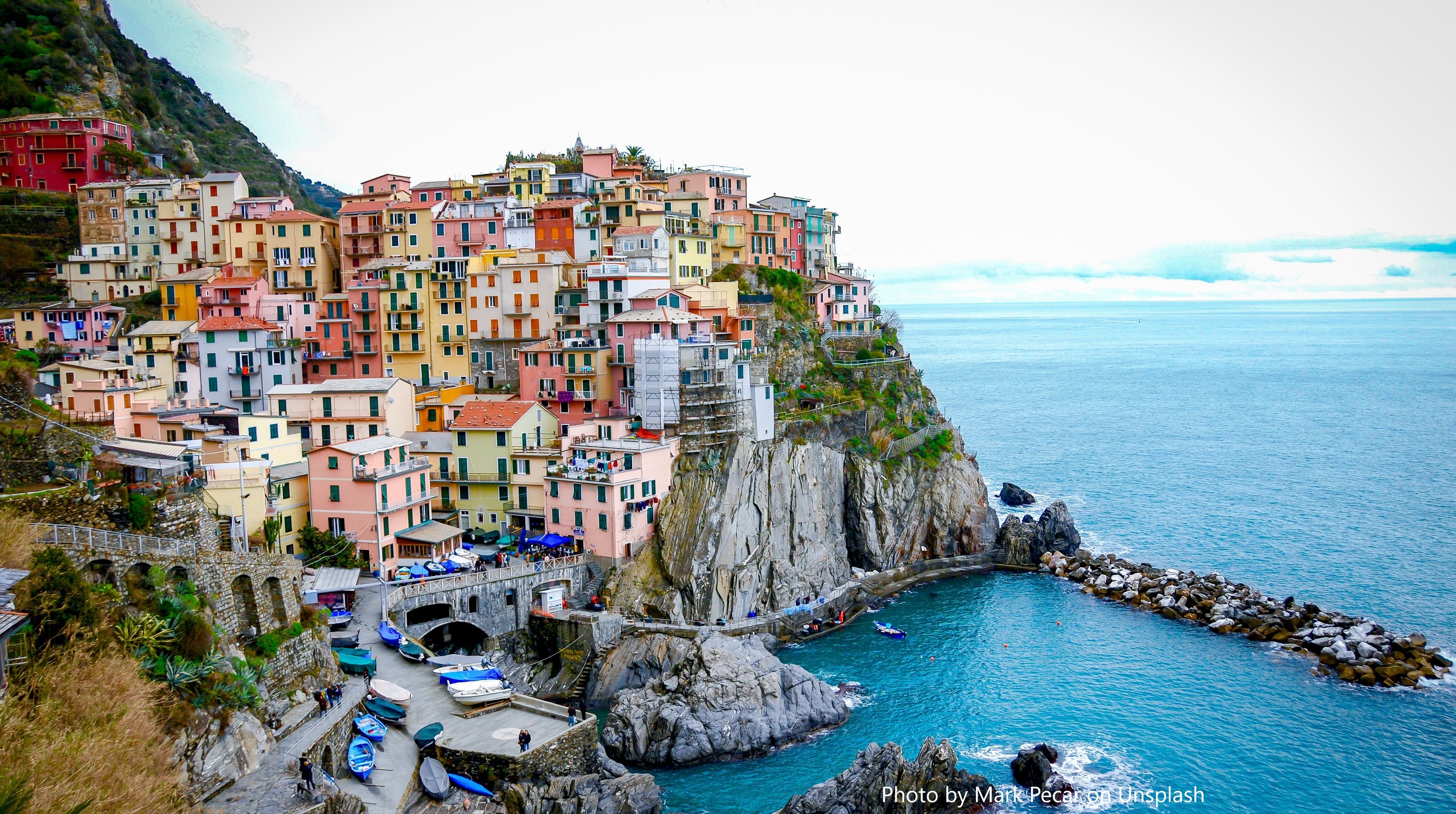
Further southland, the Amalfi Coast presents some of Italy’s most breathless cancel knockout and branch of knowledge landmarks. The cliffside town of Positano, with its gaudy buildings cascading down to the Mediterranean Sea, offers one of the most colorful views in all of Italy. Similarly, the antediluvian city of Pompeii, frozen in time by the volcanic eruption of Mount Vesuvius in 79 AD, provides a haunting yet attractive look into Roman life at the time of the eruption. The ruins of Pompeii are a UNESCO World Heritage site, drawing visitors who want to see a glance of routine life in the Roman Empire, preservable for nearly two millennia under layers of unstable ash.
Further Union, the majestic Leaning Tower of Pisa is one of Italy’s most painting landmarks. The hul, part of a duomo in the city of Pisa, was premeditated to be a bell tower, but its tilt – caused by reactive run aground – has made it one of the most renowned structures in the world. While the loom is the main attracter, the surrounding duomo and baptismal font are also singular examples of Romanesque architecture. In Milan, Italy’s forge working capital, visitors can marvel at the Gothic architecture of the Milan Cathedral and see Leonardo da Vinci’s "The Last Supper" in the Convent of Santa Maria delle Grazie, one of the most large works of art in history.
Italy’s landmarks are not just stones and buildings; they are stories in themselves, rich with account, culture, and art. From the ruins of ancient Rome to the natation city of Venice, the wheeling hills of Tuscany to the dramatic cliffs of the Amalfi Coast, these landmarks volunteer a glimpse into the spirit of Italy’s personal identity. Whether you’re exploring yard historical monuments, artistic masterpieces, or scenic coastal towns, Italy’s must-see landmarks foretell to catch and revolutionize visitors from around the world.