
The modern food industry depends heavily on safe, clean, and efficient packaging systems. Among all agricultural products, rice is one of the most widely consumed staples in the world, which makes its packaging extremely important. 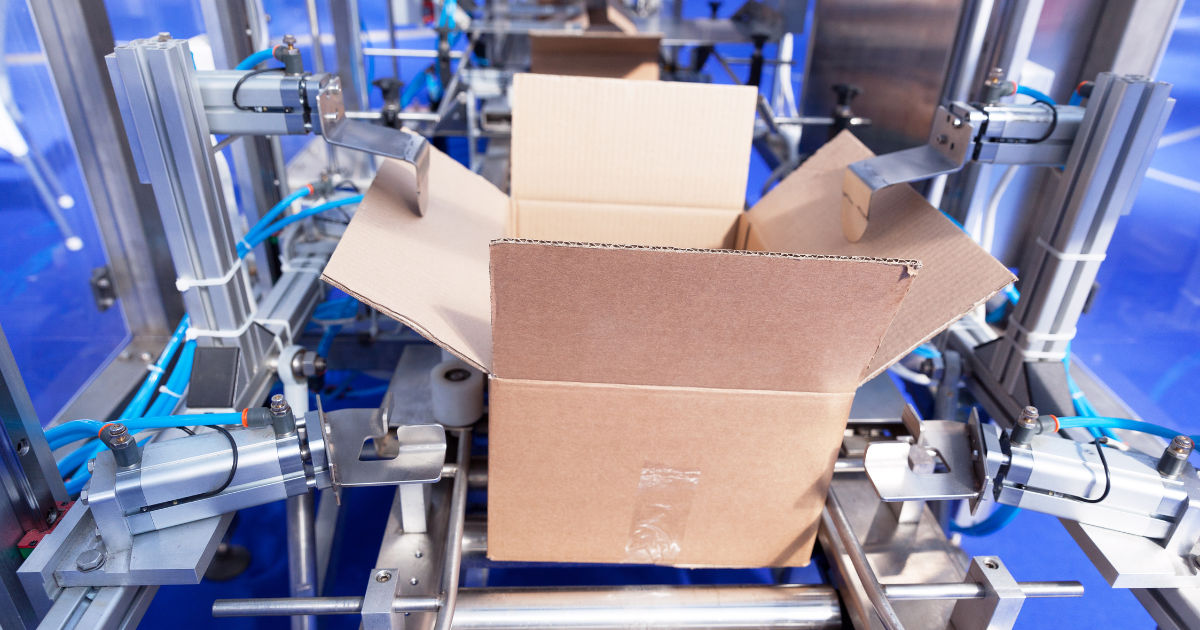
A Rice packing machine is designed to automate the process of filling, weighing, sealing, and packaging rice in bags or pouches. This technology not only improves speed and efficiency but also ensures that every packet is securely sealed and accurately measured. In today’s competitive market, maintaining hygiene and consistency is essential, and that is exactly where a Rice packing machine becomes indispensable.
In this comprehensive guide, we will explore how this machine works, how it ensures secure packaging, and why it has become a vital part of the rice processing industry. We will also discuss its components, benefits, and future innovations in detail.
What is a Rice Packing Machine?
A Rice packing machine is an industrial device used to pack rice into different sizes of bags or pouches with precision and speed. It is widely used in rice mills, food processing factories, and packaging industries.
The main purpose of a Rice packing machine is to reduce manual labor while improving accuracy and hygiene. Instead of relying on human effort, the machine automatically measures the required quantity of rice and packs it into packaging materials.
There are different types of machines available, such as semi-automatic and fully automatic systems. Each Rice packing machine is designed to handle specific production needs, from small-scale businesses to large industrial operations.
The importance of this machine lies in its ability to maintain uniform weight, reduce wastage, and ensure that rice is packed in a clean and secure environment.
Working Principle of Rice Packing Machine
The working principle of a Rice packing machine is based on automation, precision weighing, and sealing technology. The process usually follows several steps:
First, rice is fed into a storage hopper. From there, the Rice packing machine measures the exact quantity required for each packet using advanced weighing sensors. This ensures consistency in every bag.
Next, the measured rice is transferred into packaging bags. The machine carefully controls the flow to avoid spillage or breakage of grains.
After filling, the Rice packing machine seals the bag using heat sealing or stitching methods, depending on the packaging material. This sealing process is crucial for maintaining freshness and preventing contamination.
Finally, the packaged rice is labeled and prepared for distribution. Throughout this process, the machine ensures accuracy, speed, and hygiene.
Key Components of Rice Packing Machine
A Rice packing machine consists of several important components that work together to ensure efficient packaging.
The hopper is where raw rice is stored before processing. It feeds rice into the system in a controlled manner.
Weighing sensors are another critical part of a Rice packing machine. These sensors ensure that each packet contains the exact weight of rice, reducing errors and improving consistency.
The filling system controls how rice is transferred into bags. It ensures smooth flow without damaging the grains.
The sealing unit is responsible for closing the bags securely. A properly sealed package protects rice from moisture and pests.
The control panel allows operators to manage and monitor the entire process. Modern Rice packing machine systems often include digital interfaces for better control and automation.
Each component plays a vital role in ensuring that the final product is safe, accurate, and well-packaged.
How Rice Packing Machine Ensures Secure Packaging
One of the most important functions of a Rice packing machine is to create secure packaging that protects rice from external damage.
Secure packaging begins with accurate weighing. If the quantity is incorrect, it can lead to customer dissatisfaction or product loss. The Rice packing machine eliminates this issue by using precise sensors.
Next comes contamination control. Since rice is a food product, it must be handled in a clean environment. A Rice packing machine reduces human contact, which lowers the risk of contamination.
The sealing process is another key factor. Proper sealing ensures that moisture, dust, and insects do not enter the packaging. This helps maintain the freshness and quality of rice for a longer period.
Additionally, strong packaging materials combined with machine-based sealing improve durability during transportation. A Rice packing machine ensures that each bag is tightly sealed and ready for long-distance shipping without damage.
Automation and Accuracy in Rice Packing Machine
Automation is one of the biggest advantages of a Rice packing machine. It reduces the need for manual labor and increases production speed significantly.
In traditional packaging methods, human error often leads to incorrect weights and inconsistent packaging. However, a Rice packing machine uses advanced technology to ensure accuracy in every step.
The machine can operate continuously for long hours without losing efficiency. This makes it ideal for large-scale rice production units.
Automation also improves consistency. Every packet produced by a Rice packing machine looks identical in weight and sealing quality, which helps build brand trust in the market.
Moreover, digital control systems allow operators to adjust settings easily, making the machine flexible for different packaging requirements.
Role of Rice Packing Machine in Food Safety and Hygiene
Food safety is a top priority in the rice industry, and a Rice packing machine plays a crucial role in maintaining hygiene standards.
Since the machine minimizes human handling, the risk of contamination from dust, bacteria, or moisture is greatly reduced.
Most modern Rice packing machine systems are made from stainless steel, which is resistant to rust and easy to clean. This ensures that the packaging environment remains sanitary.
The machine also helps maintain the nutritional quality of rice by protecting it from environmental exposure. Proper sealing prevents spoilage and keeps rice fresh for a longer time.
In this way, a Rice packing machine contributes directly to food safety and consumer health.
Packaging Materials Used in Rice Packing Machine
The effectiveness of a Rice packing machine also depends on the type of packaging material used.
Common materials include polyethylene (PE), polypropylene (PP), and laminated bags. These materials are strong, durable, and moisture-resistant.
A Rice packing machine is designed to work with different types of packaging materials, allowing manufacturers flexibility in branding and product presentation.
The choice of material also affects shelf life. High-quality packaging ensures that rice remains fresh and free from contamination.
By combining strong materials with advanced sealing technology, a Rice packing machine creates secure and long-lasting packaging.
Industrial Applications of Rice Packing Machine
A Rice packing machine is widely used in various industries beyond just rice mills.
In food processing factories, it is used for bulk packaging of rice for supermarkets and export markets.
Wholesale distributors also rely on a Rice packing machine to prepare large quantities of packaged rice for retail supply chains.
Even small businesses use compact versions of the machine to improve efficiency and reduce manual work.
In export industries, where packaging standards must meet international requirements, a Rice packing machine ensures consistency and quality compliance.
Benefits of Using Rice Packing Machine for Manufacturers
Manufacturers gain several advantages by using a Rice packing machine in their production lines.
One major benefit is increased productivity. The machine can package rice much faster than manual methods.
Cost efficiency is another advantage. Although the initial investment may be high, a Rice packing machine reduces labor costs and material wastage over time.
Accuracy in weighing ensures that every packet contains the correct amount, which helps maintain customer trust.
The machine also improves branding because all packages look uniform and professionally sealed.
Finally, a Rice packing machine enhances hygiene standards, which is essential in the food industry.
Maintenance and Quality Control in Rice Packing Machine
Proper maintenance is essential to keep a Rice packing machine running efficiently.
Regular cleaning prevents dust and rice particles from affecting performance. Since rice is a food product, hygiene must be maintained at all times.
Routine inspection of weighing sensors ensures accuracy in packaging. If sensors are not calibrated, a Rice packing machine may produce incorrect weights.
Lubrication of moving parts helps reduce wear and tear, extending the machine’s lifespan.
Quality control checks are also important. Operators must regularly test packaged rice to ensure sealing strength and weight accuracy.
With proper maintenance, a Rice packing machine can operate efficiently for many years.
Future of Rice Packing Machine Technology
The future of the Rice packing machine industry is driven by automation, artificial intelligence, and smart manufacturing.
Modern machines are becoming more energy-efficient and faster, with improved accuracy systems.
In the future, a Rice packing machine may include AI-based monitoring systems that detect errors automatically and adjust operations in real time.
Sustainability is also a growing focus. Manufacturers are developing machines that reduce energy consumption and use eco-friendly packaging materials.
As technology advances, a Rice packing machine will become even more intelligent, efficient, and environmentally friendly.
Conclusion
In conclusion, a Rice packing machine is an essential part of the modern rice processing and packaging industry. It ensures secure packaging by combining precision, automation, and hygiene in one system.
From accurate weighing to secure sealing, every step handled by a Rice packing machine contributes to maintaining product quality and safety. It reduces human error, improves efficiency, and supports large-scale production needs.
Manufacturers benefit from higher productivity, reduced costs, and improved brand reputation. At the same time, consumers receive clean, fresh, and properly sealed rice products.
As technology continues to evolve, a Rice packing machine will become even more advanced, offering smarter solutions for food packaging industries worldwide. Its role in ensuring secure packaging will remain crucial for years to come.