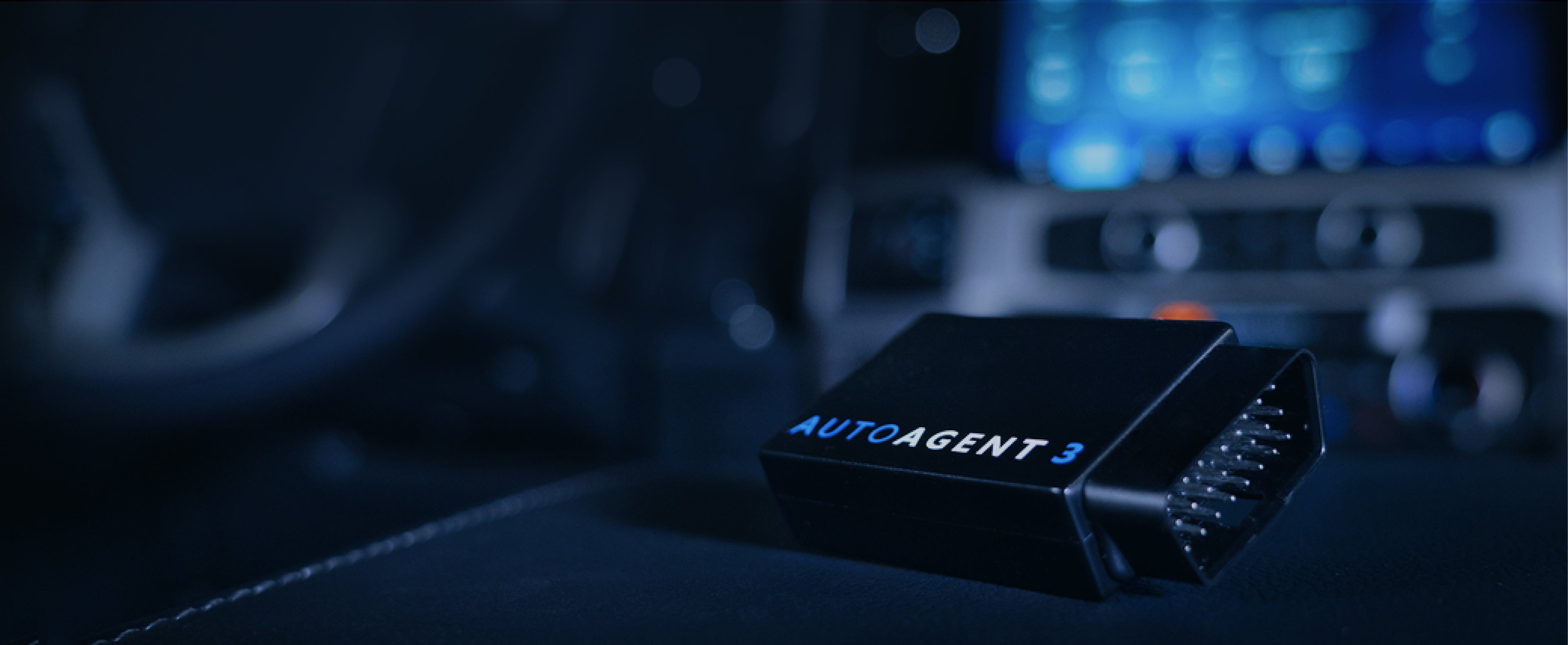
Modern vehicles are becoming smarter by the year. From intricate electronic devices to computerised engines, fixing a car issue today is more than a matter of taking out a basic tool set. That's when a reliable vehicle diagnostic scanner comes in handy. It gives alerts of potential issues ahead of time, which saves time and costly visits to the garage. As technology continues to improve, so do the features of these scanners. If you are looking for the best vehicle diagnostic scanner of 2025, the following are the best features you ought to be on the lookout for.
Complete Compatibility
The two have broad compatibility. The scanner should be compatible with different car models and brands, petrol and diesel engines. With the rapid expansion of the auto industry, a universal gadget implies that you will not need to use multiple scanners for multiple cars. Being compatible with multiple on-board diagnostic systems such as OBD-II, EOBD, and JOBD, comes in handy, especially when working with international brands for mechanics.
Real-Time Data Monitoring
Real-time monitoring of data in 2025 is essential. The ability to track in-lift engine operation, fuel trims, O2 sensor readings, and temperature gauges helps users detect deviations in real time. Such diagnostic information must be easily reported by a quality scanner in the form of easy-to-understand graphs and numerical displays, thus allowing for quicker and correct assessment.
Wireless Connectivity
No more tangled cables. With Wi-Fi and Bluetooth-enabled scanners, users can easily connect them to smartphones, tablets, or laptops directly. Wireless features also make it easier to diagnose, especially for larger workshops or fleet operators who have to walk around vehicles while conducting tests.
Intuitive Interface and Updates
Ease of use is critical. The best vehicle diagnostic scanner needs to have a simple-to-use, intuitive interface with a quick-reacting touchscreen or well-designed app. Ongoing software updates are also crucial. With vehicle technology changing so rapidly, having the latest manufacturer-specific codes means the scanner is current and accurate.
Advanced Fault Code Library
A diagnostic scanner is only as good as its library of fault codes. Look for scanners with large DTC (Diagnostic Trouble Code) libraries for engine, transmission, ABS, airbag, and other critical systems. There are even scanners offering detailed fault code descriptions along with suggested repair recommendations, so even beginners understand what's wrong without a guess.
Bi-Directional Control and Active Tests
This feature is becoming more dominant on professional-grade scanners. Bi-directional control allows users to provide instructions to the car to test various systems, such as energising fans, opening valves, or testing sensors. It's an outstanding way of confirming whether a particular unit is working correctly, saving diagnosis time considerably.
Cloud Integration and Data Storage
Most scanners now have cloud-based data storage as connected technology advances. This makes it possible for users to store diagnostic reports and view them whenever and wherever they choose. This means that fleet managers and workshops can easily record and monitor performance across a number of vehicles. Kinectd and others have been among those driving such integration further by bringing together smart analytics with efficient cloud capabilities.
Battery and Emissions Testing
With 2025 emissions requirements more stringent than ever, most new scanners come equipped with modules for emission readiness, battery condition, and alternator function checks. This keeps users in compliance and has the vehicle running efficiently and responsibly.
Multi-Language and Regional Support
A scanner that is universal will have to support an international user base. Multilingual support will make it universal for use, especially for repair workshops that deal with imported vehicles or foreign patrons. Additionally, scanners that can support regional customisation can provide accurate readings consistent with local emission and diagnosis standards.
Durability and Portability
Finally, don't overlook the build. A dense, shock-absorbing case and compact size make it possible for the scanner to be utilised in garages and on the road. Protective casings and ergonomic designs to withstand use are also found on most models available today.
Conclusion
Achieving the ideal diagnostic tool requires striking a balance between accuracy, convenience, and functionality. Modern scanners are more potent than ever thanks to advancements in wireless connectivity, cloud integration, and bi-directional testing. Your car will remain in excellent condition for many years to come if you invest in a well-equipped, future-ready scanner, regardless of whether you're a professional mechanic or an auto enthusiast.